

Leimert Park, Calif. — The Los Angeles Local News Initiative, also known as the L.A. Local, held a community listening session at KAOS Network today, to discuss its plans to establish hyperlocal newsrooms across Los Angeles. The initiative, funded by the American Journalism Project (AJP), aims to build partnerships with about 20 media organizations, including LAist, CalMatters, and Boyle Heights Beat, to expand local coverage across diverse neighborhoods such as Boyle Heights, Inglewood, and South Los Angeles.
AJP was impressed after conducting a survey of about 900 L.A. residents asking where they got their news. In a city where Black people represent less than 8% of the population, Boyle Heights Beat, a Latino grassroots platform kept coming up. So AJP through LA Local, have tapped Boyle Heights beat to be the anchor of the news initiative. “LA Local,” is aiming to set up hyper-local newsrooms across Los Angeles — with Inglewood and South LA being among their coverage areas, with a “newsroom” in the community.
LA Local is using a model of “partnering with” 20 local media organizations, including LAist, CalMatters and Boyle Heights Beat, to cross-promote their content on this new, still-unknown platform that has raised $17 million.

I attended this session because someone sent me the flier. While I am steadfast in my own work running our Black grassroots media platforms, I thought it was important to attend — for various reasons. Including the fact that their executive editor, Kristen Muller, who claims she is “rebuilding local journalism” (and I am sure many other people involved) are following me on our grassroots Black-media pages.
However, there was never any email or formal introduction by Kristen or LA Local in general, to inquire about our work or to introduce themselves to local grassroots Black media, in the communities they are attempting to parachute journalism into.
A friend from college did contact me a few weeks ago, and tell me that Kevin of Boyle Heights Beat was interested in trying to “collaborate” but was vague in the message. After previous experiences with a similar platform, L.A Taco, I respectfully declined. This was due to the support L.A Taco still received from many in the Latino community, despite L.A Taco being harmful to Black journalists in Los Angeles, while arrogantly being closed off to dialogue and conflict resolution as media.
The listening session had only about eight community members in attendance, including Kevin from Boyle Heights Beat. The editor for South L.A. and Inglewood is a Black man, an Army brat (his words) who grew up in Germany and finished high school in Virginia; he was formerly at CNN and applied to the job on LinkedIn.

There’s so much to unpack, but we can start here:
- Where is the invite to include Black media — and how does this benefit the work we are already doing in our communities?
- LA Local’s website lists only one Black male — the former editor of the L.A. Times.
- Where are the Black people — and Black women specifically — in leadership roles listed on LA Local’s website?
- There was a lack of outreach and involvement of Black grassroots media, or Black media beyond popular legacy outlets in L.A., such as KJLH and the Los Angeles Sentinel.
- The editor of South L.A. and Inglewood is not native to these communities.
- What is the process LA Local has to include media in their news initiative?
- How can LA Local be in “partnership” with harmful, anti-Black and exploitive media platforms, at the same time LA Local is trying to gain access in Black communities?
What are LA Local and Boyle Heights Beat doing to address anti-Blackness affecting Black communities especially at the hands of non-Black people of color? I would say little to nothing. Many appear focused on advancing their own communities and strengthening their own organizations, leaving much of the work to the Black community, particularly Black women.
I also made sure to detail on record how problematic it is that L.A. TACO is part of this platform, yet they have been directly harmful and racist toward me as a Black female journalist. They exude high levels of arrogance as a white-male-founded news platform, using the Latino community and Latino journalists looking for opportunities.
Similar to LA Local, they attempted to use “collaboration” as a way to leverage my Black image, labor and credibility for exposure in Black L.A. The only reason I ever aligned with them was thinking I was collaborating with other like-minded Latino folks — only to find out it was a white-male-owned platform and the Latino folks I thought I was in “community” with actually had no power.
Read More: https://www.localnewsforla.org/team/kris-kelley
In Los Angeles, I found out the hard way that not everyone in this field is here for “community” — many are looking for a paycheck, others a false sense of fame and validation through likes, comments and shares. Corporate journalists have been pushed out of legacy media and now are using digital media to try and own our communities’ intellectual property and agency.
I proposed several questions at the LA Local listening session, including: How does this benefit the community when we already have Black media in the community doing this work? How would this strengthen our work in terms of the millions raised for LA Local?
They have to hold these listening sessions and follow grassroots Black-media platforms online because they are not from this community — so there is no way possible they can tell us what is going on here.
It is disrespectful and unnecessary, when millions in funding should be going to Black grassroots media who remain historically underfunded. The Boyle Heights Beat is being centered and their staff are being elevated. LA Local wants to try and recreate the work local, grassroots Black media is already doing — without access to equitable resources they have received.
I asked why an organization would buy into partnering with L.A. Local and funnel their content to their website when they are a new, unknown platform trying to build themselves up off the work we are doing in the community? They said there was no funding, just relationships.
With all the exploitation and marginalization that goes on — especially regarding Black spaces and communities — we should not allow people so easily to come into our communities, overlooking the work we are already without providing any equitable resources.
When I was leaving the session I heard one man ask, “To her point, why would we go to your platform for information about what’s happening locally when we could go to someone like Slauson Girl or the L.A Sentinel?”
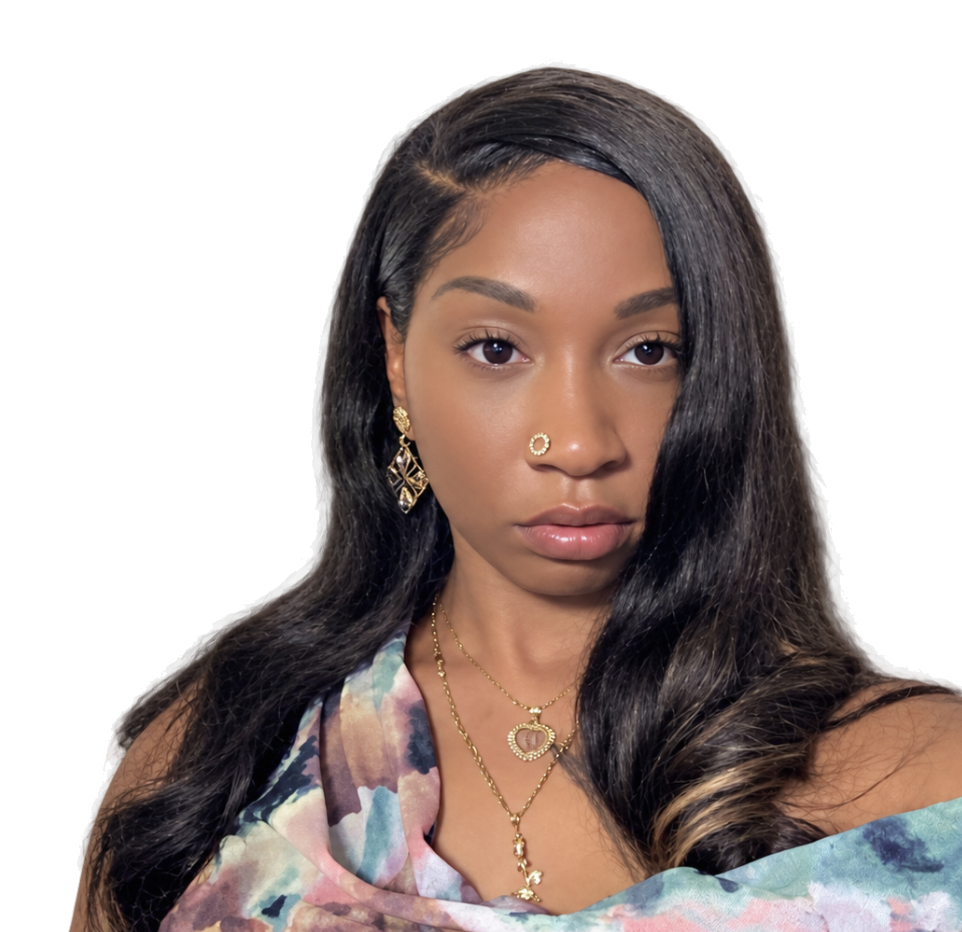
Tina Sampay, known as Slauson Girl, is a journalist, author and media founder from South Central Los Angeles. Her Bachelor of Arts in Critical Race and Gender Studies informs how she examines race, gender and power in her journalism. She founded Slauson Girl Media Group, a Black woman-owned news and media organization. Her reporting, podcast conversations and video interviews center local news, community voices, culture and the issues shaping Los Angeles.