



34 Years After the Release of South Central, I Sat Down With Author and Former Educator Donald Bakeer to Discuss the True Story Behind the Film, His Years Teaching Young Crips in Los Angeles, and the Hollywood Deal He Says Never Paid Him His Fair Share.
SOUTH CENTRAL, LOS ANGELES-As a South Central native and journalist, it is extremely important for me to make sure I am capturing the oral histories of our elders. I believe this work is critical not only to our survival, but to the enlightenment of the generations coming behind us, who deserve to understand the experiences of our people and how those experiences connect to our present-day conditions in America.
There is so much of our history that has never been properly documented. So many stories that have been told about our communities, but not necessarily by the people who lived them. And sometimes, the stories we think we know are only a fraction of what actually happened.
Listen to the full conversation: Slauson Girl Speaks with Donald Bakeer on Spotify. Hear Bakeer discuss his years teaching in Los Angeles, his novel Crips, and the story behind South Central.
September 18 marked the 34th anniversary of the 1992 film South Central, a movie that has become a cultural reference point for generations of Black Angelenos. Set against the backdrop of gang violence, incarceration, fatherhood and redemption, the film follows Bobby Johnson, a South Los Angeles father who returns home from prison determined to prevent his young son from following the same destructive path.
Starring Glenn Plummer and directed by Stephen Milburn Anderson, South Central offered audiences a deeply personal look at the consequences of gang involvement and the possibility of breaking generational cycles. But what many people may not realize is that the origins of this Hollywood film began inside the classrooms of South Central Los Angeles, with a Black educator who was desperately trying to reach young people he believed the traditional education system had already lost.
His name is Donald Bakeer. At 83, his story is one I believe deserves just as much attention as the film itself. Long before South Central made its way to movie theaters, Bakeer was working as an educator and dean in Los Angeles schools, where he witnessed firsthand the growing influence of street gangs on young Black boys. Some of the children who passed through his classrooms and school hallways would eventually become notorious figures in Los Angeles gang history.
Among the names he recalls are Eugene “Big U” Henley and Tyquan “Lil Fee” Cox, individuals whose lives would become connected to the larger history of the Crips and the violence that shaped South Los Angeles. But before the streets knew their names, they were young kids passing through Bakeer’s classroom and Dean’s office.
When we talk about the history of gangs in Los Angeles, we often begin with the violence. We discuss the crimes, the prison sentences and the lives lost. Rarely do we go back far enough to examine who these individuals were as children, what was happening inside their homes and schools, or what opportunities existed before they became involved in the streets.
“I wanted to create imagery because films are subliminal. Subliminal stimuli are stronger on behavior than conscious stimuli. So I set out to write a book to change their paradigm, ” said Donald Bakeer
Bakeer was witnessing these transformations in real time. As an educator, he recognized that many of the young people he was trying to reach had completely rejected traditional approaches to literacy. But instead of giving up on them, he began looking for another way in. He turned to something they were already interested in: rap music and gang-banging.
Where others may have dismissed rap as street entertainment, Bakeer recognized it as poetry by another name. He understood that these young people were already engaging with language, rhythm, storytelling and self-expression, even if they were not connecting with the books being assigned in their classrooms. That realization would become part of a much larger journey, one that eventually led him from the classroom to publishing books and, ultimately, Hollywood.
Bakeer went on to write Crips, the novel that would become the foundation for the film South Central. Drawing from his experiences as an educator and his proximity to the realities unfolding in Los Angeles neighborhoods, he created a story that explored gang culture beyond the headlines. At its core, the work examined the consequences of decisions made by young people growing up in environments where violence had become normalized.
It also gave me the opportunity to address a very sneaky problem in the Black community. I was teaching at Horace Mann Junior High School. I taught Rolling 60 crips, undercover Bloods and Eight Trey gangsters. The secret they held but very few people understood was they were closet illiterates and proud of it. They were writing on the walls in upside down letters and misspelling everything, so I knew I had to teach them to read but they had a disdain for reading.
But it also explored something much deeper: the possibility of transformation. Bakeer published the book independently through his own publishing company, taking ownership of a story rooted in the community he knew firsthand. And it was that independently published book that would eventually attract the attention of Hollywood.
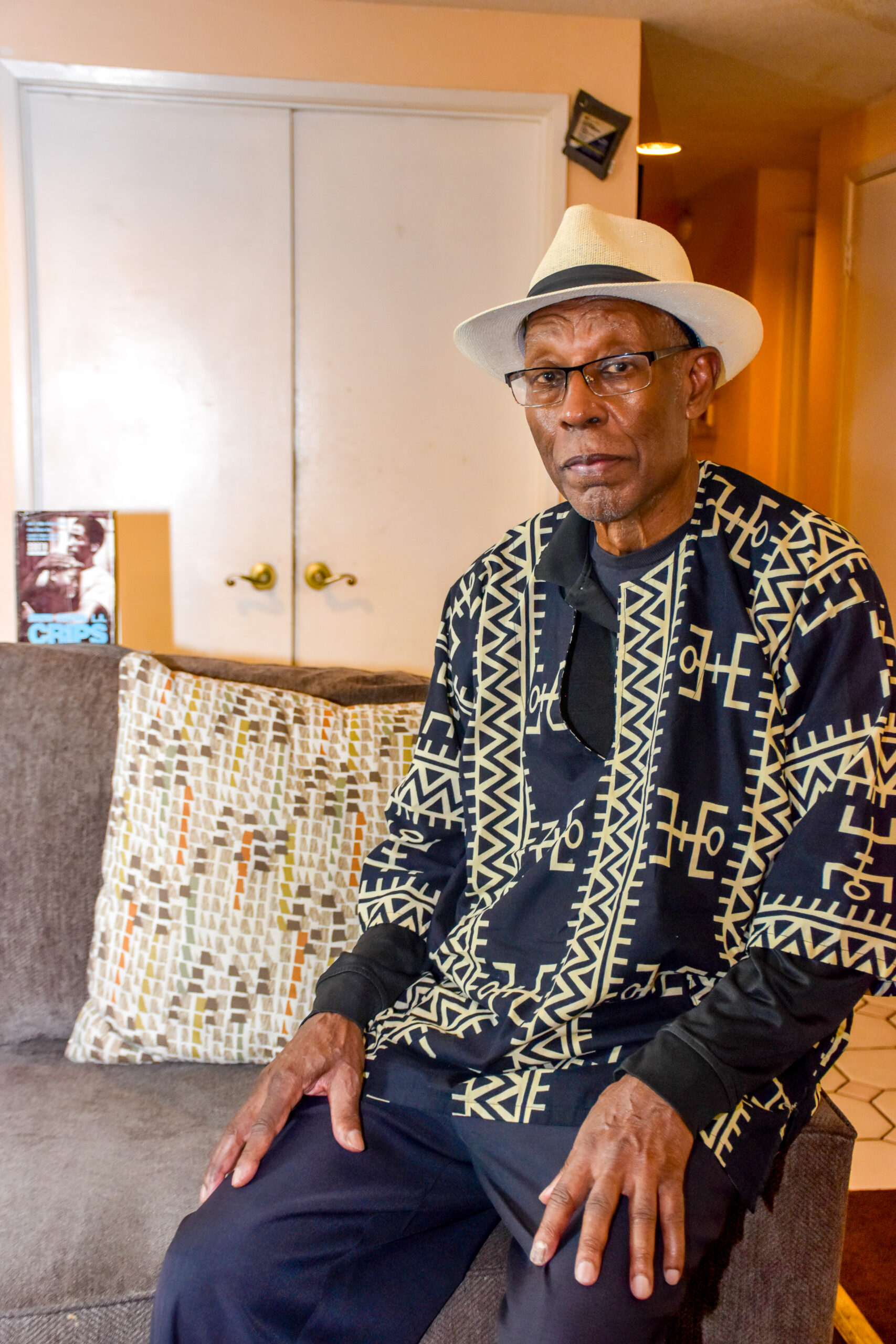
According to Bakeer, the book was discovered in a bookstore, setting off a series of events involving filmmaker Oliver Stone and ultimately leading to its adaptation for the big screen. During our conversation, we revisit those early developments, including John Singleton’s reservations about a white filmmaker directing a story so deeply connected to Black life in South Central Los Angeles.
We also explore the unspoken competition surrounding some of the most influential films to emerge from this era, including Boyz n the Hood, South Central and Menace II Society. Each film approached the realities of Black Los Angeles differently. Together, they helped shape how an entire generation understood South Central, both inside and outside the community.
But behind the cultural impact of these films were complicated questions about authorship, ownership and who ultimately benefited financially from telling our stories. And that is where Bakeer’s story takes another turn. One of the most revealing parts of our conversation concerns Bakeer’s experience with Warner Bros. and the financial agreement he says was made when his book was adapted into a feature film.
According to Bakeer, his 1992 agreement entitled him to 2% of the film’s profits. He says he was also able to secure a consulting role on the production and an opportunity for his son to appear in the movie along with an advance. For a Black educator who had independently published a book based on the experiences of young people in his own community, seeing that work transformed into a Hollywood production was an extraordinary accomplishment.
I wrote book they would steal from every library and classroom that had it in South Central. Because it was about them and it gave them some significance. They began bragging about reading a book and they began writing their own.
But Bakeer says when he later attempted to collect his share of the film’s profits, he recalls being informed that, according to the studio’s accounting, there were no profits available for him to receive. Despite the film’s cultural recognition, the calculations presented to him reportedly left him with nothing beyond the money he had already received.
Still, his account raises important questions about the business of Hollywood, particularly when stories originating in Black communities become commercially distributed films. Who owns our stories once they leave our neighborhoods? Who gets to profit from our experiences? And what happens when the people whose lives and work inspired these productions are no longer in control of how those stories are told or monetized?
These are questions I believe are especially relevant today, as Hollywood continues to revisit the culture, trauma and history of South Central Los Angeles.
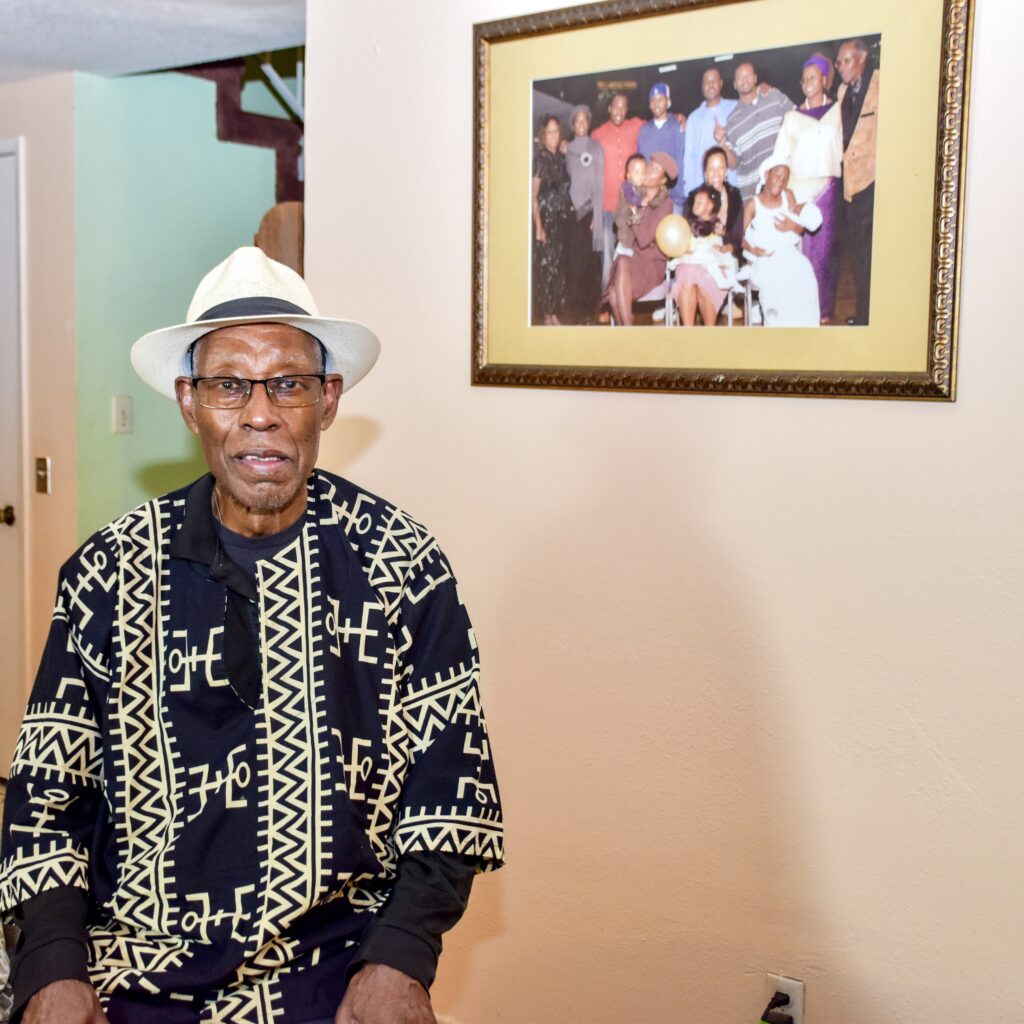
Today, Bakeer’s family and community advocates are working to ensure his contributions to South Central Los Angeles are recognized for generations to come. Their efforts include a proposal to have the intersection of 74th and Main Street, where Bakeer and his late wife raised their six children, officially dedicated as Donald Bakeer Square.
For a man whose journey from the classrooms of South Central to Hollywood began with a commitment to reaching young people through education and storytelling, the dedication would represent more than a street sign. It would be a permanent acknowledgment of a local educator, author and father whose work helped bring the experiences of South Central Los Angeles to audiences around the world.
As someone who grew up in South Central, I believe it is important that we honor our people while they are still here to witness it. Our communities have produced countless educators, writers, artists and advocates whose contributions deserve to be remembered beyond the headlines and Hollywood productions.
Because preserving our history is not just about remembering where we came from. It is also about making sure the people who helped shape that history are never forgotten.

Tina Sampay, known as Slauson Girl, is a journalist, author and media founder from South Central Los Angeles. Her Bachelor of Arts in Critical Race and Gender Studies informs how she examines race, gender and power in her journalism. She founded Slauson Girl Media Group, a Black woman-owned news and media organization. Her reporting, podcast conversations and video interviews center local news, community voices, culture and the issues shaping Los Angeles.